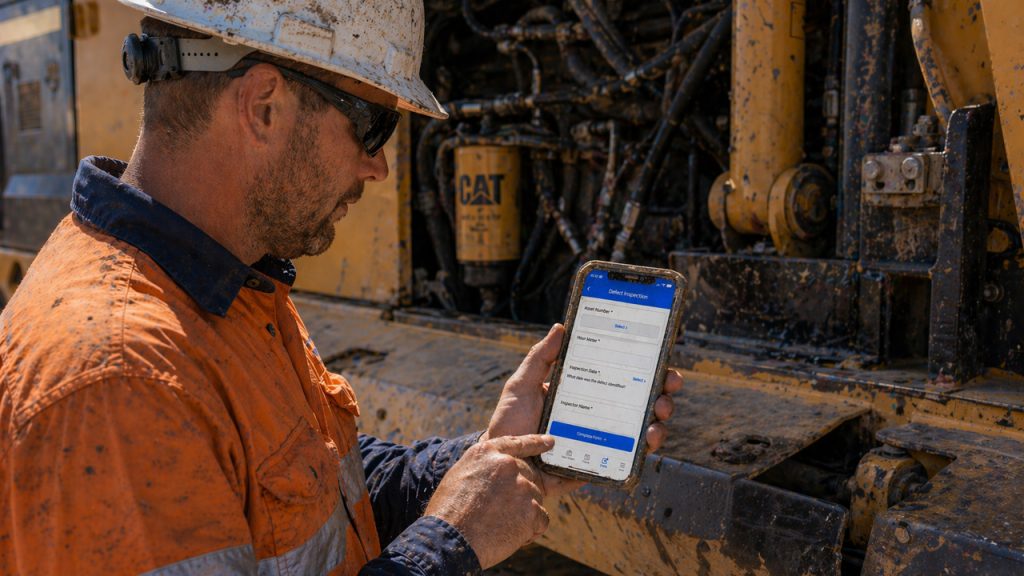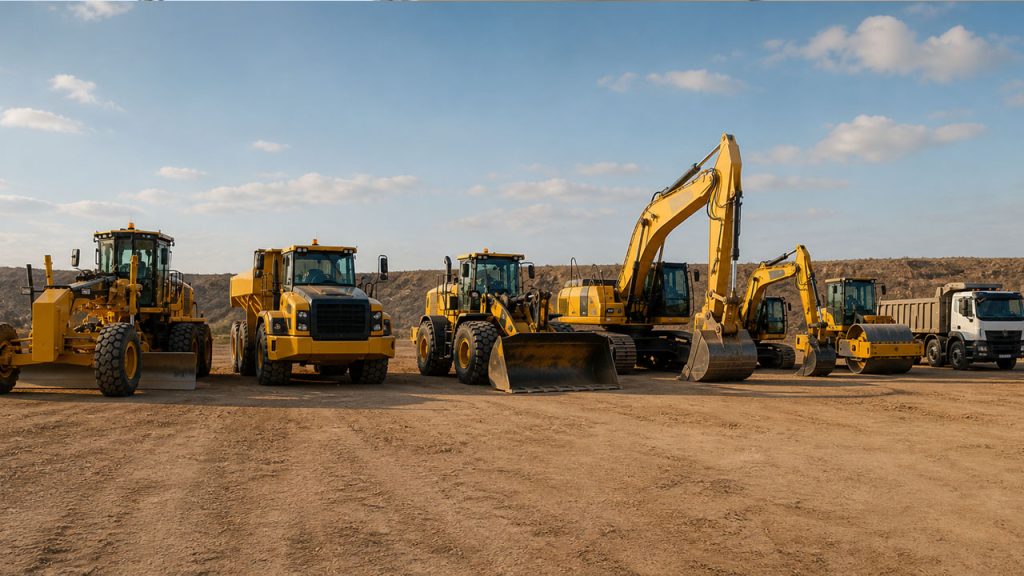

Maintenance scheduling for mobile fleets doesn’t work the same way as fixed plant or facilities. In earthmoving, machines don’t follow a calendar. They follow the work.
Usage changes across sites, operators, and conditions. A fixed plan breaks quickly. That’s why the schedule needs to reflect how equipment actually runs, not how a system assumes it should.
Modern maintenance scheduling software needs to trigger work based on real usage, manage how tasks interact, and keep everything in the right order without relying on manual planning.
Why maintenance scheduling matters for mobile equipment
In earthmoving fleets, maintenance scheduling is driven by utilisation, not time. Machines rack up hours at different rates. Components wear differently. Multiple services often come due together.
When maintenance scheduling isn’t set up properly:
- maintenance gets missed
- work is duplicated
- downtime increases
- planning becomes reactive
This is where most systems fall short. They simplify scheduling to fit the software, instead of matching real operating conditions.
Usage-based maintenance scheduling
Effective schedules start with defining usage correctly.
For mobile equipment, that means hours or kilometres, not calendar dates. Work is triggered when it’s actually due, not when a date rolls around.
Usage-based maintenance scheduling means:
- servicing happens when it’s needed
- machines aren’t over-serviced or under-serviced
- maintenance aligns with real wear
This is the baseline for any system that’s meant to handle heavy equipment properly.
Service cycles: keeping maintenance scheduling on track
Maintenance scheduling in real fleets isn’t just intervals. It’s structured patterns.
Service cycles define the correct sequence of work. Each service leads to the next, and once the sequence completes, it repeats.
For example:
250-hour → 500-hour → 250-hour → 1000-hour → repeat
This keeps maintenance scheduling consistent without manually managing each task.
What this changes:
- the correct servicing order is enforced
- major and minor services don’t overlap
- scheduling stays consistent across the fleet

Task suppression: removing duplicate Tasks
In real operations, maintenance scheduling often brings multiple tasks due at the same time.
Without control, this creates duplicate work orders and unnecessary downtime.
Task suppression fixes that.
When tasks align:
- only the highest-level service is completed
- lower-level tasks are automatically covered
- work is done once, not repeated
This keeps the schedule efficient without breaking service intervals.

Automated maintenance scheduling
Manual schedules don’t scale across multiple sites and crews.
Automation ensures:
- work orders are generated automatically
- scheduling logic is followed every time
- nothing is missed or delayed
Instead of managing schedules, teams focus on getting the work done.
Mobile-first maintenance scheduling
Schedules only works if work is captured properly.
Mobile systems allow crews to:
- receive and complete jobs on site
- log work in real time
- operate without relying on connectivity
This closes the gap between planned work and actual execution, which is where most scheduling systems fail.
What improves with better maintenance scheduling
When maintenance scheduling matches how equipment actually operates:
- maintenance becomes predictable
- issues are caught earlier
- downtime is reduced
- data becomes reliable
- planning moves from reactive to controlled
Instead of chasing problems, teams stay ahead of them.
Final thoughts
Scheduling for earthmoving fleets needs to reflect real usage, not simplified intervals.
By combining usage-based triggers, structured service cycles, task suppression, and automation, maintenance scheduling becomes consistent, predictable, and easier to manage across the fleet.
Ready to take control of your maintenance?
Samurai helps earthmoving and mining fleets capture maintenance properly at the source, reduce downtime, and stay in control of cost and performance across every site.