
BRISBANE, AUSTRALIA — Samurai CMMS has launched with a clear position in a crowded market: most maintenance systems don’t fail because of missing features, they fail because they don’t get used on site.
Founded by mining maintenance leader and industry advisor Anthony Murphy, Samurai was built to address a pattern seen across three decades in heavy equipment operations, CMMS implementations that fail before they really get started.
“Most systems are built for the office, not the job,” Murphy said. “Work gets done in the field, but the system expects it to be filled in later. That’s where the gaps start.”
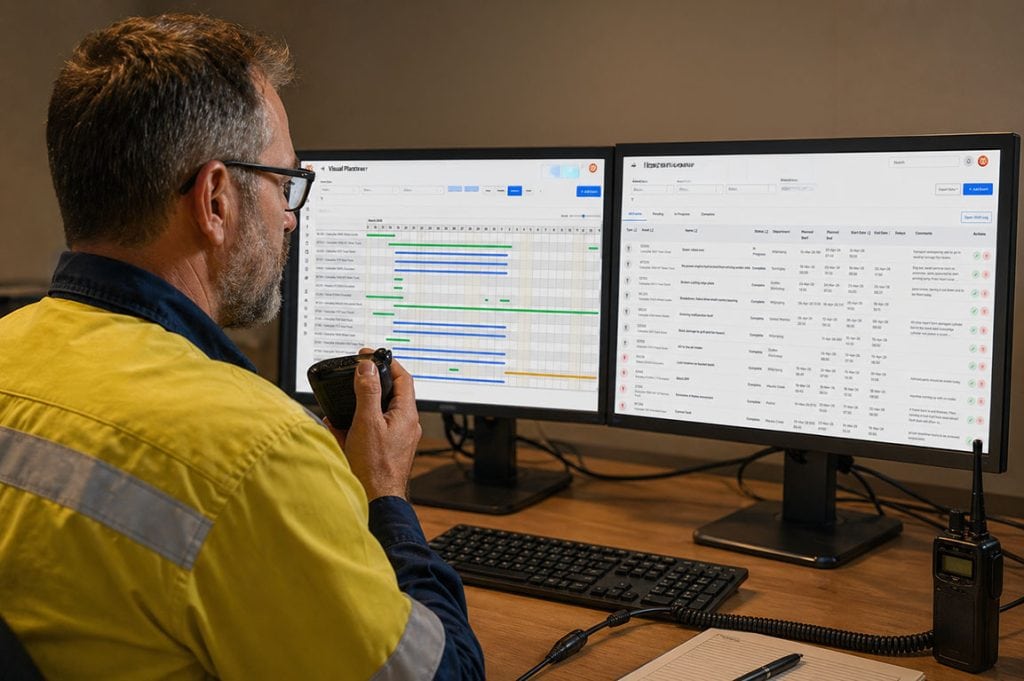
Samurai focuses on capturing maintenance as it happens. Fitters log work, inspections and parts on mobile. Supervisors see progress as they move around site. Work orders, downtime and asset history update in real time, removing the need to rebuild information after the shift.
This mobile-first approach is designed for how maintenance actually runs across earthmoving, civil and mining operations, where equipment is mobile, crews are distributed and time is limited. Instead of adding admin, workflows guide users through the job so data is captured once and used everywhere.
The result is practical. Contractors get a clear view of what is running, what is at risk and what needs attention. Hire companies understand cost and utilisation before the job is finished. Multi-site operators get consistent data across crews, contractors and locations.
The launch also addresses another barrier that has slowed CMMS adoption for years: setup.
“Getting a system live is where a lot of implementations stall,” Murphy said. “Teams spend weeks trying to structure data before they see any value.”
Samurai reduces that effort by applying structured automation, including targeted use of AI, to data setup and configuration. Asset lists, parts and maintenance tasks can be uploaded in unstructured formats and automatically mapped into the system, validated and approved before being applied.
This removes much of the manual configuration and reduces reliance on consultants. What typically takes days or weeks can be completed significantly faster, allowing teams to focus on maintaining equipment rather than preparing data.
The timing reflects a broader shift in the market. Many fleets have outgrown spreadsheets, but remain cautious of ERP systems due to cost, disruption and implementation risk. Samurai positions itself between those two options, providing structured control without requiring a full system overhaul.
The platform is built specifically for heavy equipment, handling hour-based servicing, component tracking and contractor workflows natively, rather than adapting factory-based logic.
Early adoption reflects this approach. ASG Equipment deployed Samurai across 40 sites to standardise inspections, integrate contractor work and improve component visibility, shifting from reactive maintenance to proactive control.
Samurai has also secured seed investment from Matolin Group to support product development and growth.
Murphy said the focus remains simple.
“If the system doesn’t work on site, nothing else matters. Capture the work properly, and everything else follows.”
Samurai CMMS is now available to earthmoving contractors, civil construction firms, plant hire companies and mining operators across Australia.
A shorter version of this article first appeared on PR LOG
Ready to take control of your maintenance?
Samurai helps earthmoving and mining fleets capture maintenance properly at the source, reduce downtime, and stay in control of cost and performance across every site.