If you are comparing MEX CMMS, MEX Maintenance, MEX Software or FleetMEX, you are probably looking for better control over maintenance, assets, work orders, servicing, compliance and fleet costs.
MEX Maintenance is a known Australian maintenance software platform. It has been around for a long time and is used across different industries.
But if you run earthmoving equipment, mobile plant, hire gear or heavy equipment across multiple sites, the decision is not just about choosing a recognised CMMS brand.
You need to know whether the system will actually work for your crews, your sites, your contractors and your fleet.
That means looking closely at deployment effort, support, mobile usability, integrations, upgrade requirements, forms capability and how well the system handles real earthmoving maintenance.
Samurai CMMS is built for earthmoving contractors, plant hire businesses, civil contractors and mining fleets that need practical maintenance control without adding more admin.
Book a demo or keep reading to compare Samurai with MEX CMMS, MEX Maintenance and FleetMEX.
Why fleet Maintainers Are looking for a MEX Software alternative
Many businesses do not start their search because they want more software. They start because the current system is creating friction.
Common reasons fleet operators look beyond MEX software include:
- Support is not meeting expectations
- Deployment takes longer than planned
- Integration projects become slow, expensive or unreliable
- The mobile app does not suit field crews
- Forms and inspections are too limited
- Upgrades require too much effort, cost or disruption
- Feature requests take too long or cannot be delivered
- The system feels rigid for mobile equipment and site work
For fleets management, those issues matter. If the system is hard to deploy, hard to support or hard for crews to use, the maintenance data becomes unreliable. Work gets captured late. Supervisors chase updates. Admin grows. Managers lose confidence in the numbers.

Support and customer service matter
A CMMS is not just software. It becomes part of the way your maintenance team runs. That means support matters.
When a deployment stalls, an integration fails or users cannot get answers, confidence drops quickly. Crews go back to paper, spreadsheets and phone calls. Managers are left with gaps in the record.
Samurai puts a heavy focus on customer support, practical rollout and working closely with customers. The product is built by people who understand workshops, fleets and maintenance, so support conversations stay grounded in the real work.
That makes a difference when you are trying to get supervisors, fitters, planners and contractors using the same system.
Get Up and Running Sonner
Samurai is designed to get maintenance teams live faster, without turning deployment into a long, expensive project.
Our team brings years of real maintenance and deployment experience, so you are not starting from a scratch. We provide strategies, checklist templates and setup structures built around earthmoving workflows.
Targeted AI tools help map your existing asset, parts and tasks from spreadsheets and other systems. User-facing loading tools let your team review, adjust and approve before going live.
The result is a faster rollout, less reliance on expensive consultants and a system your crew can start using sooner.
MEX app vs A mobile-first Approach
For earthmoving fleets, mobile is not an add-on. It is where the work happens.
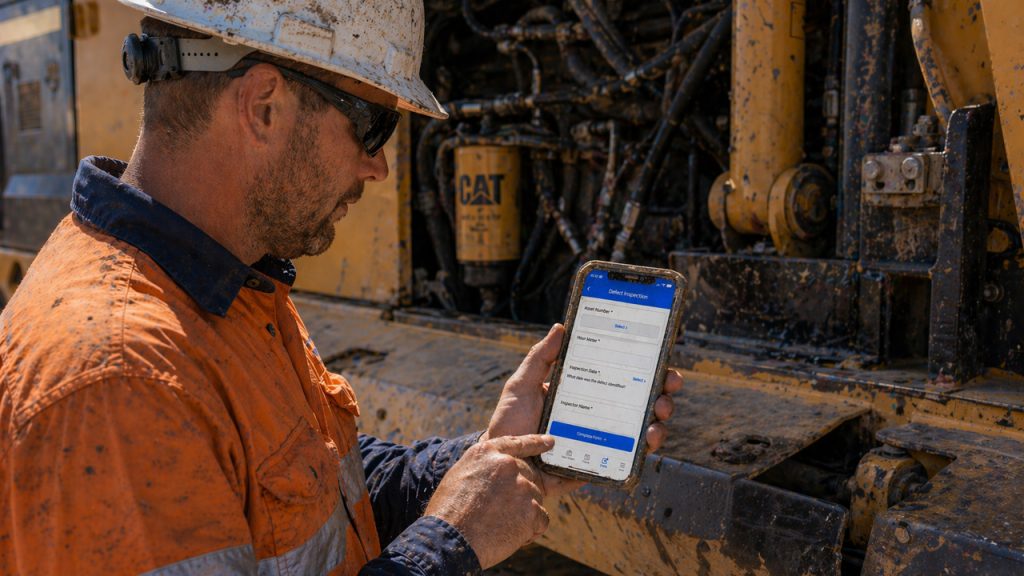
Fitters, operators and supervisors are not sitting at a desk all day. They are in workshops, on sites, in service trucks and around machines. If the mobile app is slow, clunky or not fit for purpose, the system will be bypassed.
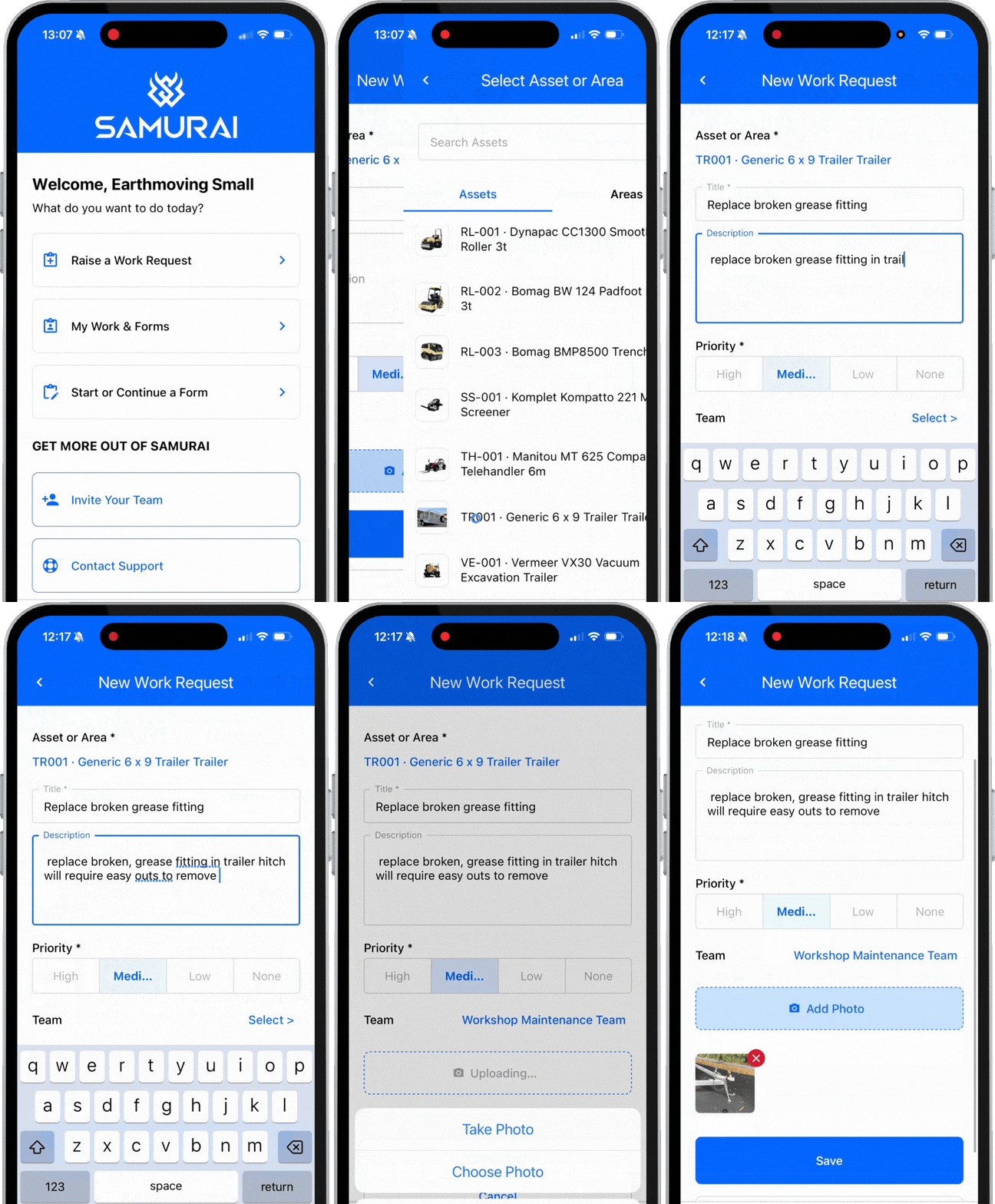
Samurai has a modern mobile-app for iOS and Android that workls offline. Fitters can record work, inspections and parts on mobile devices while supervisors track job progress in real time across site.
That is a major difference for fleets where adoption is the difference between useful data and another failed system.
Forms: more than basic pre-starts
MEX is known for pre-start functionality, but many businesses need more than basic pre-starts.
They need forms for inspections, compliance, services, checks, handovers, onboarding, component changes and other workflows.
Samurai includes a strong forms module as part of the platform, so you do not need a separate forms app beside the CMMS.
Forms guide users through tasks and feed information back into asset records, work order history, compliance and reporting.
This matters because separate forms apps create another gap and cost. With Samurai, forms are part of the maintenance workflow.
Learn more about inspections, forms and checklists.
Questions to ask before choosing MEX or upgrading to MEX 16
- How long will deployment take, what's the project timeline?
- Is the deployment paid upfront or on successful devivery of the project?
- Does the mobile app work properly offline for field crews?
- Are maintenance plans, BOMs and asset data supplied, or left to us?
- Do we still need a separate forms app for inspections, forms and general workflows?
- Can contractors use the system without signup and a license fee?
- How difficult is it to adjust workflows as the business changes?
- How are integrations handled, are there published RESTful APIs?
MEX CMMS vs Samurai CMMS Comparison Table
When comparing MEX Maintenance, MEX Software, MEX CMMS, FleetMEX and Samurai, the key question is not which platform has the longest feature list. It is which system is built for the way your maintenance team actually works. Samurai brings a modern, mobile-first approach, stronger hands-on support, faster deployment and fleet-focused workflows built for earthmoving, plant hire, civil and mining operations.
| Capability | MEX CMMS / FleetMEX | Samurai CMMS |
|---|---|---|
| Best fit | General maintenance across many industries | Built for earthmoving and plant hire fleets |
| Deployment | Setup and upgrades can take real effort | Faster setup with less deployment drag |
| Support | Support quality should be checked early | Hands-on support from maintenance people |
| Mobile app | Mobile experience should be tested on site | Mobile-first for fitters and supervisors |
| Forms | May be limited beyond basic pre-starts | User defined mobile forms to cover all workflows |
| Major upgrades | Version upgrades can add cost and disruption | Modern cloud platform that keeps improving |
| Feature flexibility | Changes may depend on vendor roadmap | Built around customer and field feedback |
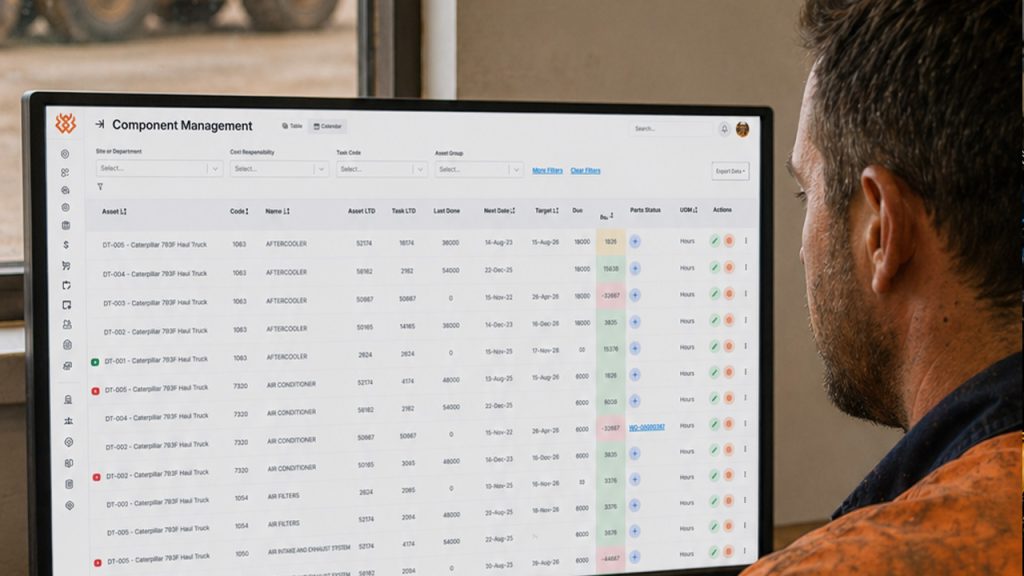
| Component management | No dedicate component and rotables management | Components, rebuilds and rotables built in |
| Contractor work | Access and licensing should be checked | Controlled contractor access by link. No extra costs |
| Downtime visibility | Often reconstructed from work orders later | Downtime captured as real site events |
| Life Cycle Costing | Costs collected no forecating | True dynamic life cycle costing for assets |
Samurai Cmms. Proven on Site. Backed for the Long Haul.
MEX has been around for a long time. That may feel safer at first glance.
But age alone does not make a system the right fit for modern earthmoving fleets. Many older CMMS platforms were built before mobile-first workflows, connected field teams, integrated forms and faster deployment tools became standard expectations.
Samurai is newer, but it has not been built in isolation. It has been tested on real sites with real maintenance teams, including earthmoving and plant hire operators using the system across active operations. The workflows have been shaped around live customer feedback, not just a product roadmap.
Samurai is also backed by Matolin Group, giving the business the funding and stability to keep investing in product development, customer support and long-term growth. That matters when choosing a CMMS. You are not just buying software for today. You are choosing a platform that needs to keep improving with your fleet.
The real question is not just “how long has the vendor been around?” It is “which system is better prepared for the way maintenance work happens now?”
Frequently asked questions
Absolutely! Samurai is a great alternative to MEX Software especially for earthmoving contractors, plant hire companies, mining contractors, councils and civil construction fleets that need mobile-first maintenance workflows, stronger support, integrated forms and practical fleet control.
Check the total effort and cost required, including data work, retraining, workflow changes, integrations, reports, support and cost. A major upgrade can be a good time to compare other CMMS options.
Yes. Samurai has a mobile-first strategy with apps for iOS and Android, designed for fitters, supervisors and field maintenance teams.
Yes. Samurai includes an integrated forms module for inspections, defects, service tasks, compliance checks and custom workflows, reducing the need for a separate forms app.
Users can build there own forms or choose template from our expoanding library of forms, checklists, inspections and pre-starts.
Yes. Samurai supports time-bound contractor access so external contractors can complete assigned work and forms to directly update your maintenance records.
Contractor licenses are included in the price for Samurai, so there are no additional software costs to extend Samurai to your contractors.
Yes. Samurai is designed for low-friction deployment, including structured setup processes that help upload, map, validate and approve assets, parts and maintenance tasks faster.
Samurai can provide started data for maintenance plans, strategies, and other master data to get you up and running faster.
MEX has been around for a long time, but age alone does not make a system the right fit for modern earthmoving fleets.
Samurai is newer, but it has been tested on real sites with real customers and shaped around live feedback from maintenance teams using it in active operations.
Samurai is also financially backed by Matolin Group, giving the business the funding and stability to keep investing in product development, support and long-term growth. So the question is not just “who has been around longer?” It is “which system is better built for how maintenance work happens now?”
Ready to take control of your maintenance?
Samurai helps earthmoving and mining fleets capture maintenance properly at the source, reduce downtime, and stay in control of cost and performance across every site.