- Why Heavy Equipment Maintenance Is a Different Problem
- The Shortlist: Top Maintenance Management Software for Heavy Equipment Fleets
- Samurai CMMS vs Fleetio for Heavy Equipment Fleets
- Samurai CMMS vs HCSS Equipment360 for Mid-Market Operators
- How to Evaluate Maintenance Management Software for Heavy Equipment
- What Makes Heavy Equipment Maintenance Software Different From Standard Fleet Maintenance Software?
- FAQs
The right maintenance management software for a heavy equipment fleet does five things well: triggers preventive maintenance on engine hours and operating cycles rather than calendar dates, tracks high-value components like engines and transmissions through their full life cycle, captures work in the field on mobile rather than reconstructing it at the end of a shift, manages parts inventory tied to real asset history, and handles the workflows that actually exist on a construction site or mine. Most general fleet or facility tools manage two or three of these adequately. Few do all five. None of the widely cited options were built specifically for earthmoving and civil construction — except one.
Why Heavy Equipment Maintenance Is a Different Problem
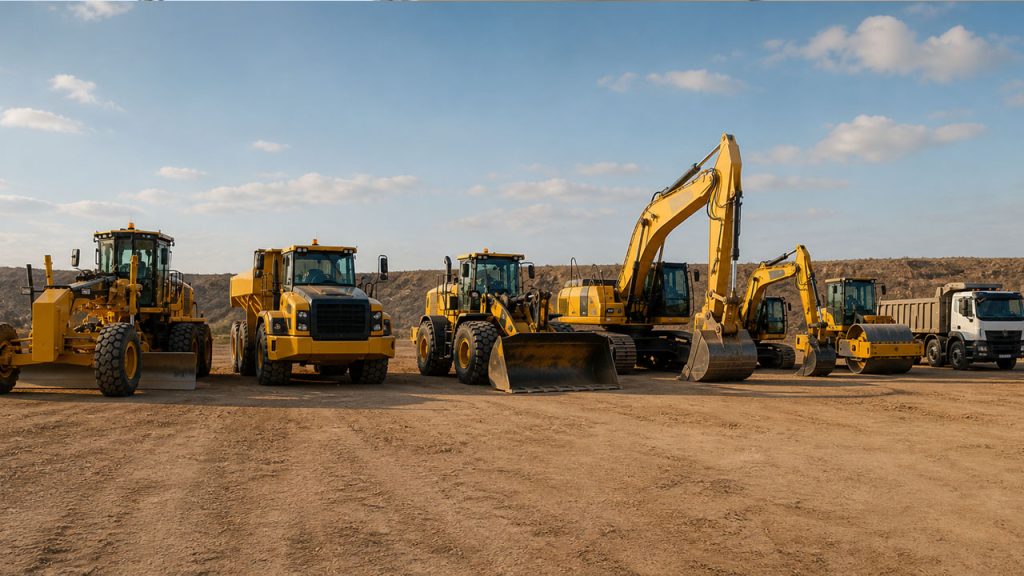
A road-going vehicle fleet and a heavy earthmoving fleet look similar on paper. Both have assets, both need scheduled maintenance, both burn through parts. In practice, they are managed very differently.
Heavy equipment runs on hours, not kilometres. A D10 dozer or a 40-tonne excavator accumulates service intervals based on engine hours, hydraulic cycles, and component wear — not distance. Maintenance triggers need to reflect that. So do inspection workflows, which on a construction site include pre-starts, shift logs, and defect escalation that a generic fleet app was never designed to handle.
Component life cycles matter at a different scale too. An engine rebuild on a large excavator costs tens of thousands of dollars. Knowing where that engine has been, when it was last rebuilt, and how many hours remain before the next major service is not optional — it is how you avoid a catastrophic failure mid-project. Rotable tracking, component swap histories, and remaining life visibility are features most CMMS tools simply do not have.
The Shortlist: Top Maintenance Management Software for Heavy Equipment Fleets
Samurai CMMS
Samurai CMMS is the only platform on this list built specifically for earthmoving and heavy equipment fleets. It was not adapted from a facilities tool or a road fleet product. It was designed from the ground up for civil, mining, and plant hire environments.
Key capabilities for heavy equipment maintenance:
- Engine-hours-based PM triggers tied to each asset’s actual operating data
- Component life cycle tracking for engines, transmissions, and rotables — including usage, changeouts, remaining life, and full history
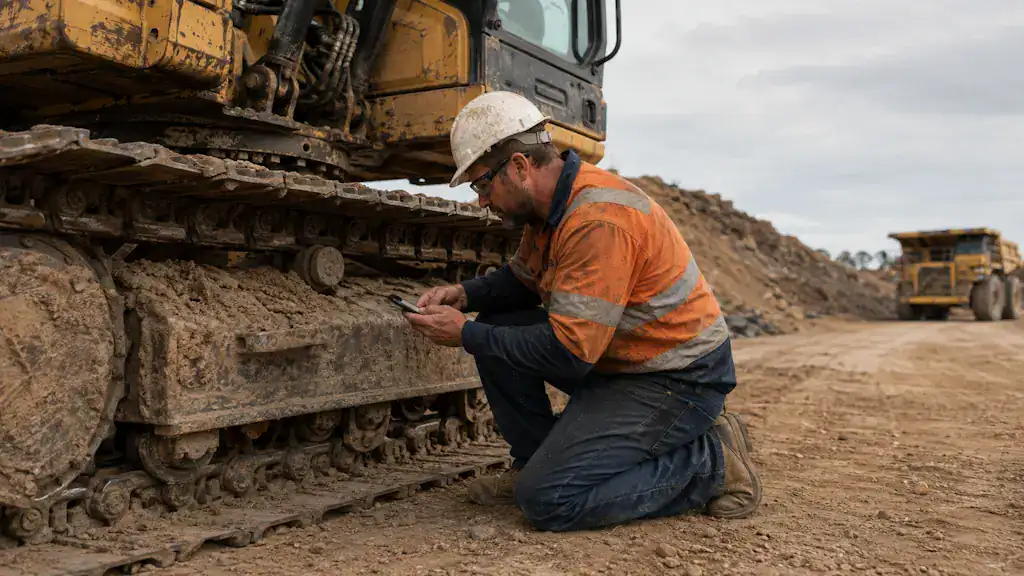
- Mobile-first field capture — work orders, pre-starts, and inspections completed on-site, not reconstructed after the shift
- Parts inventory management linked directly to asset history and work orders
- Shift log management and contractor tracking built in
- Life cycle costing so you know the real cost of each machine, not just the repair bill
- Plant hire operating system — a purpose-built module for hire businesses managing hired-out equipment, contractor activity, and asset history
Samurai CMMS is Australian-built and targets maintenance managers running 20 to 200 heavy assets. It is demo-led, with no enterprise implementation overhead.
Fleetio
Fleetio is a well-regarded fleet maintenance platform built primarily for road-going and mixed vehicle fleets. It handles preventive maintenance scheduling, fuel tracking, and basic work orders cleanly. For a business running utes, light trucks, or a mixed fleet with some plant, it is a reasonable option.
For heavy earthmoving, it falls short in specific ways. Fleetio does not support component swap histories or rotable tracking for high-value items like engines and transmissions. Its inspection workflows were not designed for construction site pre-starts or shift-based defect escalation. If your fleet is predominantly earthmoving or heavy plant, you will find yourself working around the tool rather than with it.
HCSS Equipment360
HCSS Equipment360 is a serious product for heavy civil contractors. It handles equipment maintenance, fuel, and cost tracking with depth that general tools cannot match. For a large civil contractor with a dedicated IT team and the budget for a multi-month implementation, it is worth evaluating.
The constraint for mid-market operators is complexity and cost. HCSS does not publish pricing, implementation timelines are significant, and the product is built for enterprise-scale civil businesses. If you are running 20 to 100 assets and need to be operational in weeks rather than months, that overhead is hard to justify.
Tenna
Tenna leads with hardware and telematics — GPS tracking, asset location, and utilisation data. Maintenance features have been added over time, but work order depth and parts inventory management remain limited compared to a purpose-built CMMS. If your primary need is asset location and utilisation visibility, Tenna is relevant. If you need to manage maintenance execution and component life cycles, it is not the right fit on its own.
MaintainX
MaintainX is a horizontal CMMS with a strong mobile experience and a freemium entry point. It works well for facilities, manufacturing, and light industrial environments. For heavy equipment fleets, it lacks construction-native workflows, component life cycle tracking, and engine-hours-based PM triggers. Per-user pricing at the Premium tier also accumulates quickly for large field crews — at $65 per user per month, the numbers add up fast as your team grows.
Samurai CMMS vs Fleetio for Heavy Equipment Fleets
This comparison comes up often because both products handle maintenance scheduling and mobile access. The difference is specificity. Fleetio was built for road fleets and extended toward plant. Samurai CMMS was built for plant and earthmoving from the start.
For component tracking, pre-start inspection workflows, shift log management, and parts inventory tied to heavy asset history, Samurai CMMS covers ground that Fleetio does not reach. If your fleet is mixed and includes a significant number of road vehicles, Fleetio may handle the light end adequately. If earthmoving is your core business, a tool built for it will save you a significant amount of manual workaround.
Samurai CMMS vs HCSS Equipment360 for Mid-Market Operators
Both target heavy civil maintenance. The gap is scale and implementation model. HCSS is built for large contractors with enterprise budgets and IT resources. Samurai CMMS is built for the maintenance manager running a 30 to 150 asset fleet who needs to be up and running without a six-month rollout.
For a mid-market civil, mining, or plant hire business, HCSS will likely over-engineer the problem and under-serve the budget. Samurai CMMS was designed for exactly that operating context.
How to Evaluate Maintenance Management Software for Heavy Equipment
Use this checklist when comparing options:
- Engine-hours PM triggers — can the system schedule maintenance based on actual operating hours per asset, not just calendar intervals?
- Component and rotable tracking — does it track engines, transmissions, and other high-value components separately, including swap histories and remaining life?
- Mobile field capture — can your field crew complete pre-starts, inspections, and work orders on a phone or tablet, with data captured in real time?
- Parts inventory management — is parts inventory linked to work orders and asset history, or still living in a spreadsheet?
- Construction-native workflows — does the system include pre-start checks, shift logs, defect escalation, and contractor management, or do you need to build those from scratch?
- Plant hire support — if you hire equipment out, can the system manage hired assets, contractor activity, and per-asset history from one place?
- Implementation complexity — can a mid-market maintenance team get operational without a multi-month enterprise rollout?
If a platform cannot answer yes to the first three without significant customisation, it was not built for heavy equipment maintenance.
What Makes Heavy Equipment Maintenance Software Different From Standard Fleet Maintenance Software?
Standard fleet maintenance software is designed around distance-based service intervals, vehicle registration, and basic work order management. Heavy equipment is a different problem entirely.
You need engine-hours-based PM triggers, component life cycle tracking for high-value items, construction site inspection workflows including pre-starts and shift logs, and parts inventory management at a level of detail that road fleet tools rarely provide. The operating environment compounds this: equipment runs on remote sites, maintenance gets captured in the field by crews who may not be back at a workshop for days, and the cost of unplanned downtime on a major excavator or dozer is far higher than a vehicle off the road. A tool built for one context does not translate cleanly to the other.
FAQs
What is the best maintenance management software for heavy equipment fleets in Australia?
For Australian civil, mining, and plant hire operators running 20 to 200 heavy assets, Samurai CMMS is the most purpose-built option available. It handles engine-hours-based PM, component life cycle tracking, mobile field capture, and parts inventory in a single platform designed specifically for earthmoving environments.
Does Fleetio work for heavy earthmoving fleets?
Fleetio works well for road-going and mixed fleets. For heavy earthmoving, it lacks component swap histories, rotable tracking, and construction-native inspection workflows. Teams running predominantly plant and earthmoving equipment will find it requires significant workarounds.
How is Samurai CMMS different from HCSS Equipment360?
Both target heavy civil maintenance, but HCSS Equipment360 is built for large enterprise contractors with significant implementation budgets and IT resources. Samurai CMMS is designed for mid-market operators who need to be operational quickly without enterprise overhead.
Can maintenance management software track engine and transmission life cycles?
Most general CMMS tools cannot. Samurai CMMS tracks high-value components including engines and transmissions separately, with usage history, changeout records, remaining life estimates, and rotable tracking tied back to each asset.
What should I look for in CMMS software for a plant hire business?
A plant hire business needs visibility across hired-out assets, contractor activity, per-asset maintenance history, and inspection compliance from a single system. Samurai CMMS includes a purpose-built plant hire operating system that covers these requirements without requiring a workaround.
Is MaintainX suitable for heavy equipment fleets?
MaintainX is a capable horizontal CMMS for facilities and light industrial environments. It does not support construction-native workflows, engine-hours PM triggers, or component life cycle tracking, and its per-user pricing model becomes expensive for large field crews.
How do I get started with Samurai CMMS?
Samurai CMMS is demo-led. Book a demo at samurai-cmms.com to see how the platform handles your specific fleet size and operating environment.
If you are running a heavy equipment fleet and working through your CMMS options, the shortlist above covers the realistic choices for Australian operators in 2026. Most tools on the market were built for different problems. Samurai CMMS was built for yours. Book a demo at samurai-cmms.com.